
Crescendo to Cortina: Episode 2 — The Dawn of Training Day

The day begins earlier than most. Alarm clocks slice through night's silence, broaching the dawn long before chairlifts hum with action, before the mountain belongs to anyone. Bodies rise slowly, but with purpose, and minds quietly take inventory of what lies in the day ahead.
“Waking up is always agony,” Wiley Maple admits. “But I’m still a one alarm man; getting on the lift in the dark to get a few laps on a course before the public takes over the hill.”
Kyle Negomir’s mornings buck routine. “Training days have huge variety,” he says, “from easy, sunny low-pressure spring camps to dark icy early morning sessions in the middle of January.”
Sometimes the morning grind starts before the athletes themselves. Nina O’Brien sheds light on the efforts of coaches before athletes even arrive at the mountain, shaping courses with diligent care. “Our coaches will spend hours out on the hill, often in the cold and dark, watering the slope with fire hoses so it freezes into true race-like ice. By the time we click in, the hill is hard and fast.”
The physical reality of training is the dedication to rising above, and before, the rest. It’s what separates the amateurs from the professionals and the winners from the runners up. Beneath the hard work lies something quieter and deeper: the willingness to push harder day after day without reluctance. Each day demands full attention, from the second the sun breaks to the moment it sets.
 (Nina O'Brien during dryland training in Italy, circa 2020.)
Choosing the Grind
To the average person, it might look like suffering—the early mornings, cold, fatigue, repetition.
In reality, to these athletes, it’s a choice and a sacrifice for something greater.
“I chose to do this for a career,” Negomir says. “And every day I intentionally decide to make these sacrifices. As long as I keep that in the back of my mind it no longer seems like a grind but something that enables me to do what I love for a living.”
That intention is what changes the everyday grind from punishment to agency. There’s power in choosing the more difficult path to the top.
Nina O'Brien takes it even further saying, “I find the process of getting better a little bit addicting.”
This addiction is proof that the improvement itself is rewarding enough to pull them back to the mountain day after day.

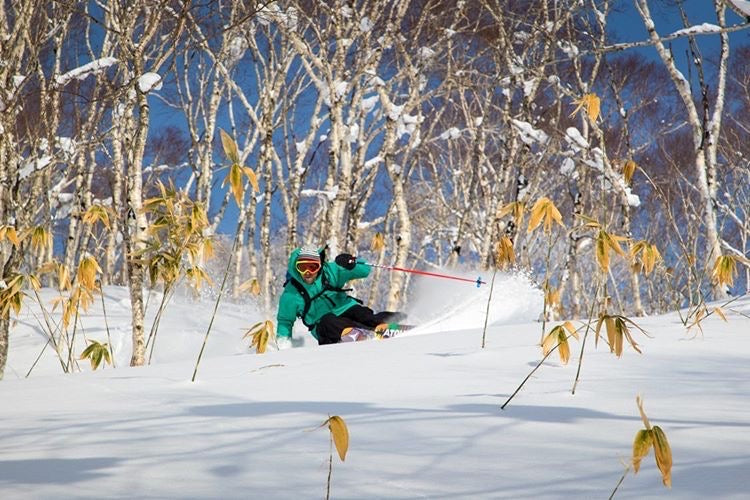
(Tricia Mangan locked and loaded during training.)
Routine and Dedication
Over time, repeated practice stops feeling like effort and overtakes your identity. "It's a bit groundhog-day-like at times,” says Negomir, “but I weirdly love the routine.”
For Tricia Mangan, the repetition is deliberate and part of the process. “The warm up is exactly the same every day,” she says.
Routine isn’t stagnation. It’s the foundation on which athletes are able to stack each day of practice. This stable baseline allows for tweaks and adaptations within a stable environment. Wiley Maple captures the paradox saying, “Even though we are in many ways doing the same thing every day, every day is different. There are so many variables that keep it interesting.”
The routine is what keeps athletes sane and progressing through the chaos of a competitive calendar.

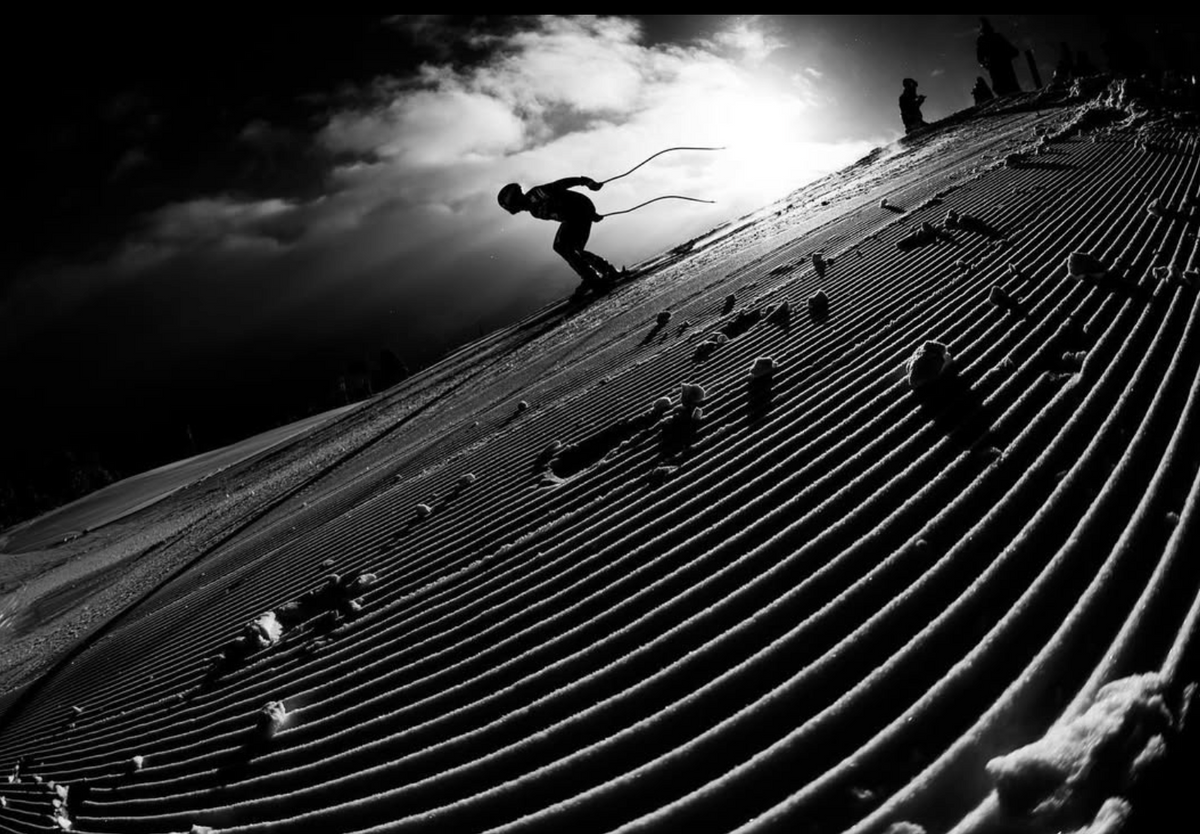
(Tricia Mangan playing with shadows during training.)
Strike Missions
Training may feel endless, but in skiing, time on the slope is limited and quality of training conditions is unpredictable.
These sessions are strike missions—short bursts of hyper-focused effort in which everything must come together perfectly. “Even though we’re only doing six speed runs,” Tricia Mangan explains, “it is really mentally and physically exhausting because we have to be so dialed. We get such limited time on snow with high quality training that the runs we do have to be super intense and super focused.”
There’s simply no room for anything other than laser-focus. Each mistake is costly and each run holds high stakes. The demand is heavy both physically and mentally. It’s the precision under pressure, the ability to be 100% present for an entire practice without any guarantee of a reward, that separates the winners from the rest.
 ("Our coaches will spend hours out on the hill, often in the cold and dark...")
When the Going Gets Tough
We all have days when even getting out of bed feels like a chore. “Things are at their hardest when you are skiing slow and trying to change something and it’s not working,” says Maple. It’s hardest to push on when progress stalls. “That’s when it really becomes a grind,” he continues. “And it feels like you're smashing your head against the wall.”
These moments cause us to pause and strip away everything but our grit. The story of Sisyphus encapsulates this feeling perfectly–a man left to his own devices to either fail or succeed.
“Camus states we should imagine Sisyphus smiling,” Maple reflects. “I go further to suggest he’s laughing and getting stronger every lap.”

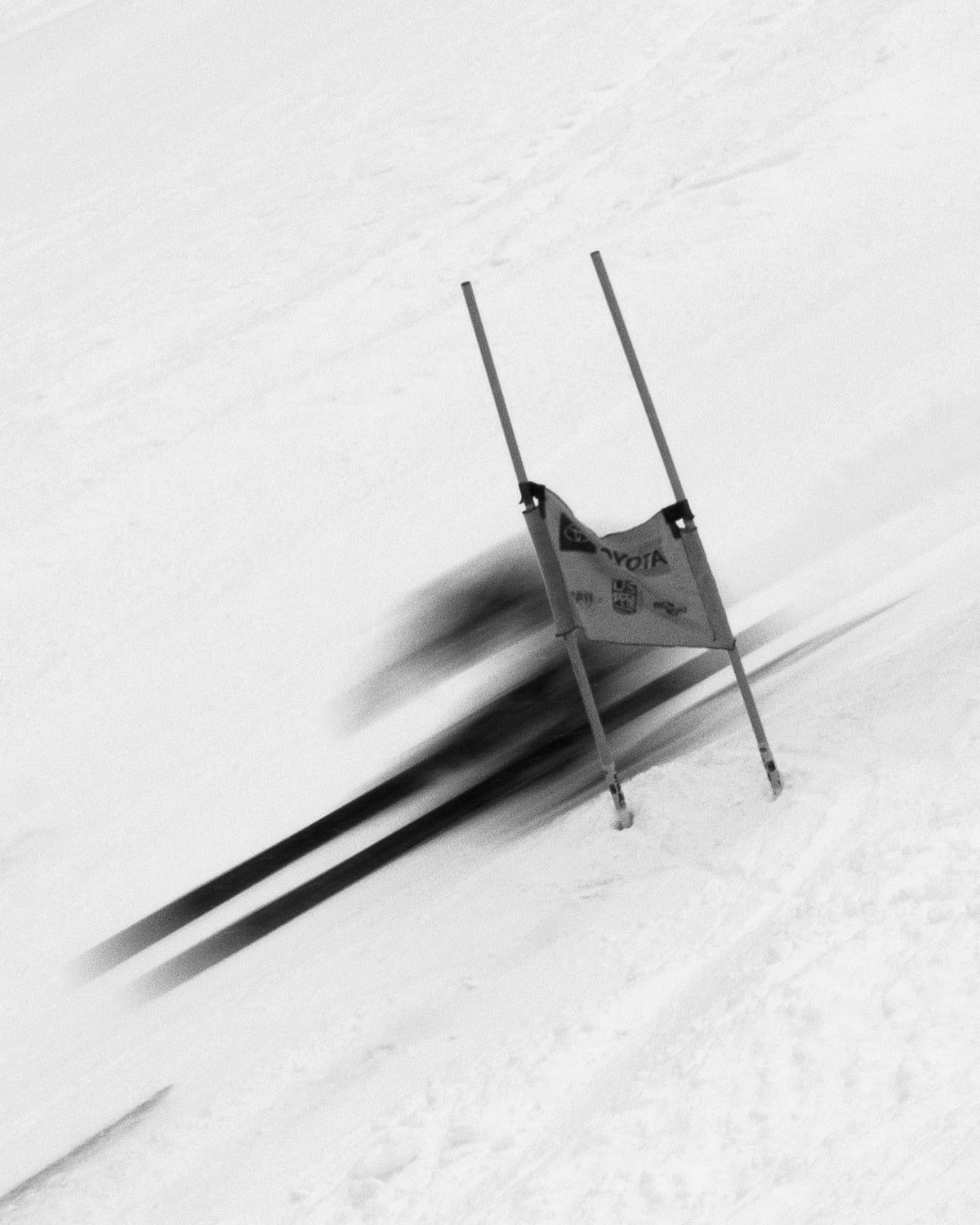
(All gas, no breaks for Wiley Maple.)
At the heart of each day is a challenge the athletes are chasing: how to shave off a sliver of a second?
For Nina O'Brien, resilience comes from her deep connection to the sport. “So much of my confidence comes from feeling truly connected to the snow. If I have that connection, I know I can push when I need to.”
The striving for success when you’re already at the top of your game can feel pointless. There are no guarantees when you’re out on the mountain with so many variables.
“Even so, you show up every day, every hour hoping for the breakthrough moment,” Wiley Maple says. “That sliver of time where the grind breaches a hole in time–that temporary splash of enlightenment. That’s what keeps us in it.”
(Crescendo to Cortina is an episodic series following Aztech Mountain athletes Wiley Maple, Tricia Mangan, Nina O’Brien and Kyle Negomir on their path to the 2026 Winter Olympic Games in Cortina, Italy. Rooted in discipline and grit, this series focuses on the process of becoming the best. These stories are about the journey, not the destination.)