Dispatch from Bakhmaro: Deep in Georgia’s Winter Silence

A travel story from the field with Francesco Salamone
[There are places skiing takes you—and then there are places skiing reveals.
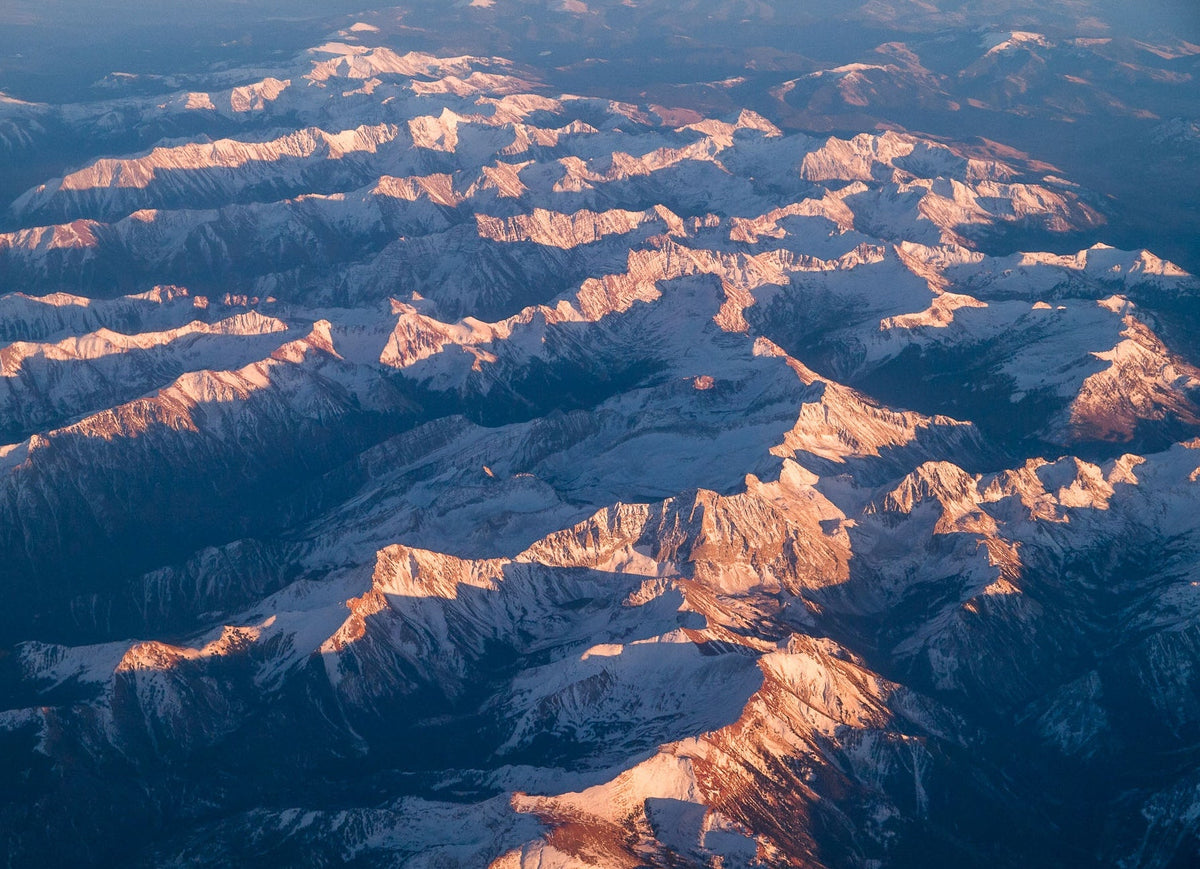
Beyond the well-worn circuits of the Swiss Alps and Rocky Mountains, past the lift lines and legacy resorts, there exists another layer of the sport. One defined not by access, but by effort. Not by infrastructure, but by instinct.
These are the destinations that stay quiet. The ones you hear about only in passing, in conversations that trail off just before details are shared. Places where terrain still feels undiscovered, and where the experience—getting there, moving through it, earning each turn—matters as much as the skiing itself.
Georgia is one of those places.
What follows is a dispatch from Aztech’s athlete Francesco Salamone, who set out in search of something deeper—and found it in a village that disappears each winter.]

Dispatch from Francesco Salamone
We’re drawn to skiing because it takes us somewhere else entirely. In the far corners of the earth scale shifts and everything feels a little less defined.
Georgia had been on my mind for a while. Its mix of remoteness and potential kept pulling me back. It sits at the intersection of continents, but it feels worlds away from both. The villages move slower. The terrain doesn’t.
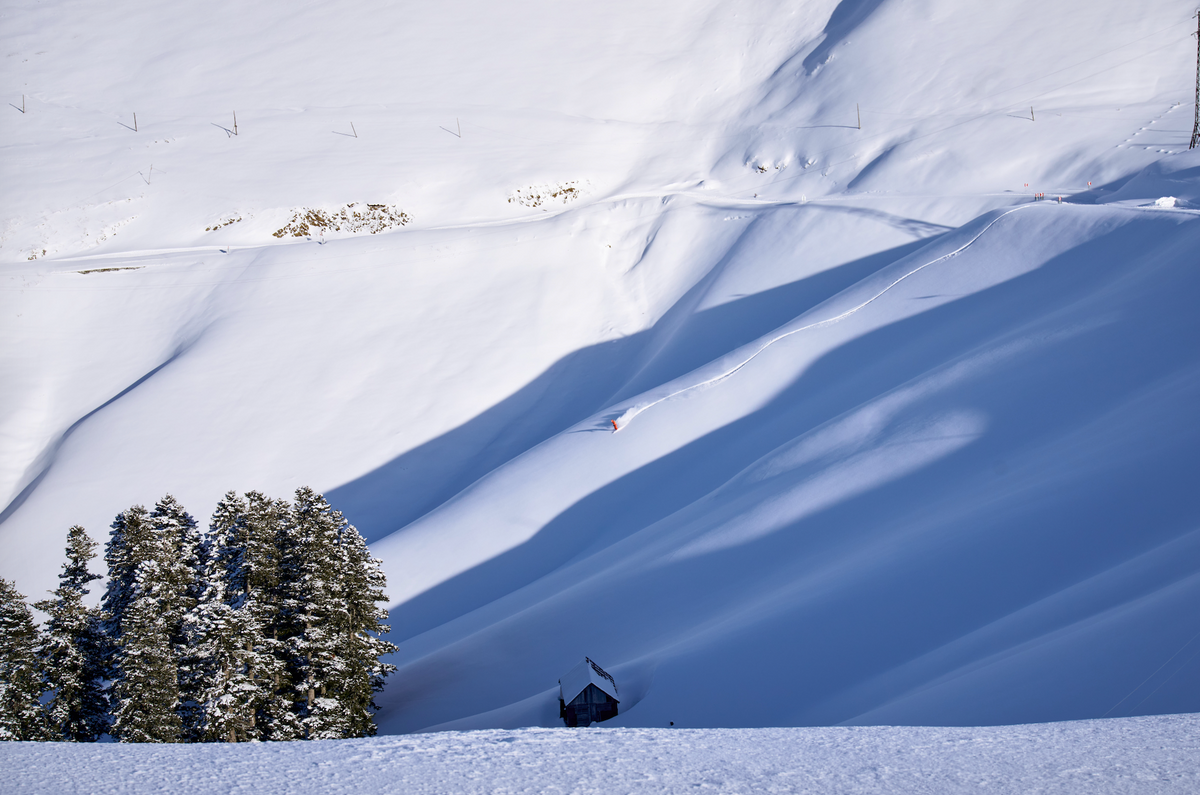
I based out of Bakhmaro, which, in winter, has a population of zero. Getting there takes time—hours by snowcat from the nearest town—but once you arrive, you understand why. It’s the kind of place that doesn’t need to change to accommodate you.
Hard to reach, hard to forget.
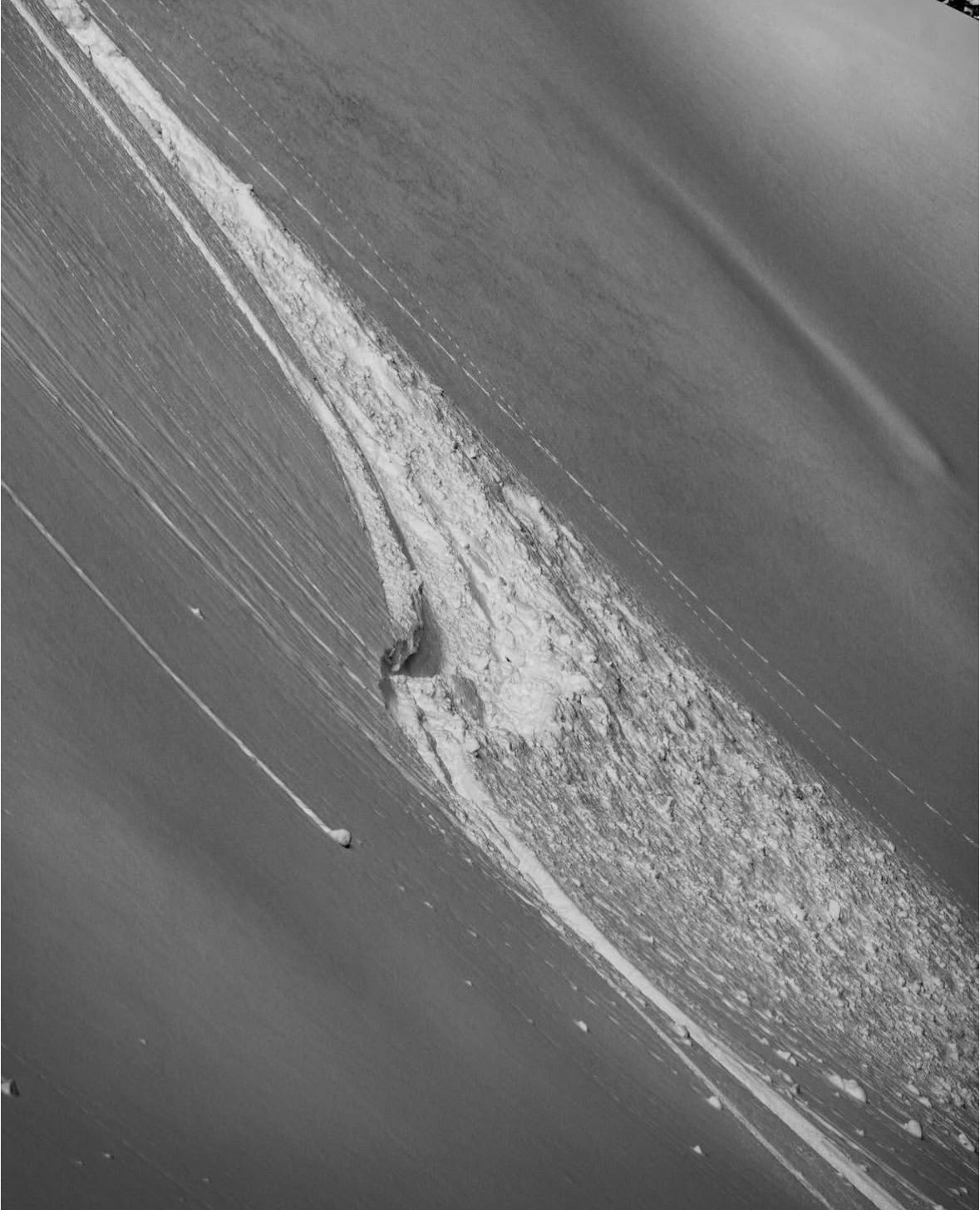
 The terrain around Bakhmaro isn’t the steepest in Georgia, but that’s part of what makes it work. We spent most days in the trees, skiing low-angle lines with deep, consistent snow. It snowed almost every day, light, cold, and stable. The kind of conditions that let you move freely, lap after lap, without overthinking it.
We worked with a local guide, Aslan, who grew up in Bakhmaro. He knew how to read the terrain in a way that you can’t learn from a map. He opened up zones we never would have found on our own.
In a place like this, your gear isn’t a backup plan; rather, it’s everything. There’s nowhere to fix it, nowhere to replace it. You rely on it completely.
 I wore the Hayden Kit the entire trip. With that much snowfall, staying dry becomes the difference between a long day and a short one. The waterproofing held, the breathability worked, and it never felt restrictive—even on bootpacks or getting in and out of the cat. It let me focus on skiing, not on what I was wearing.
What stood out just as much as the terrain was the hospitality. Four local women cooked for us every day—simple, fresh food, always ready when we got back. There was no pretense to it. Just warmth, generosity, and a rhythm that felt unchanged by time.
Trips like this depend on timing. Storm cycles matter. Access matters. But when it lines up, a place like Georgia delivers in a way that’s hard to describe until you’ve been there.
It’s not the easiest trip to pull off. But that’s part of it.
 [There’s a certain kind of skier who looks past the obvious.
Not for the sake of saying they did, but because they understand that the edges of the map still hold something different. A quieter kind of reward. A deeper kind of memory.
Georgia isn’t for everyone, and that’s exactly the point.
But for those willing to go further, to trust the process, and to move without guarantees, it offers something increasingly rare in modern skiing: space. Space to explore, to reset, to remember why you started in the first place.
And when you find it, you don’t forget it. — Aztech Mountain]