Drawn to the Mountains
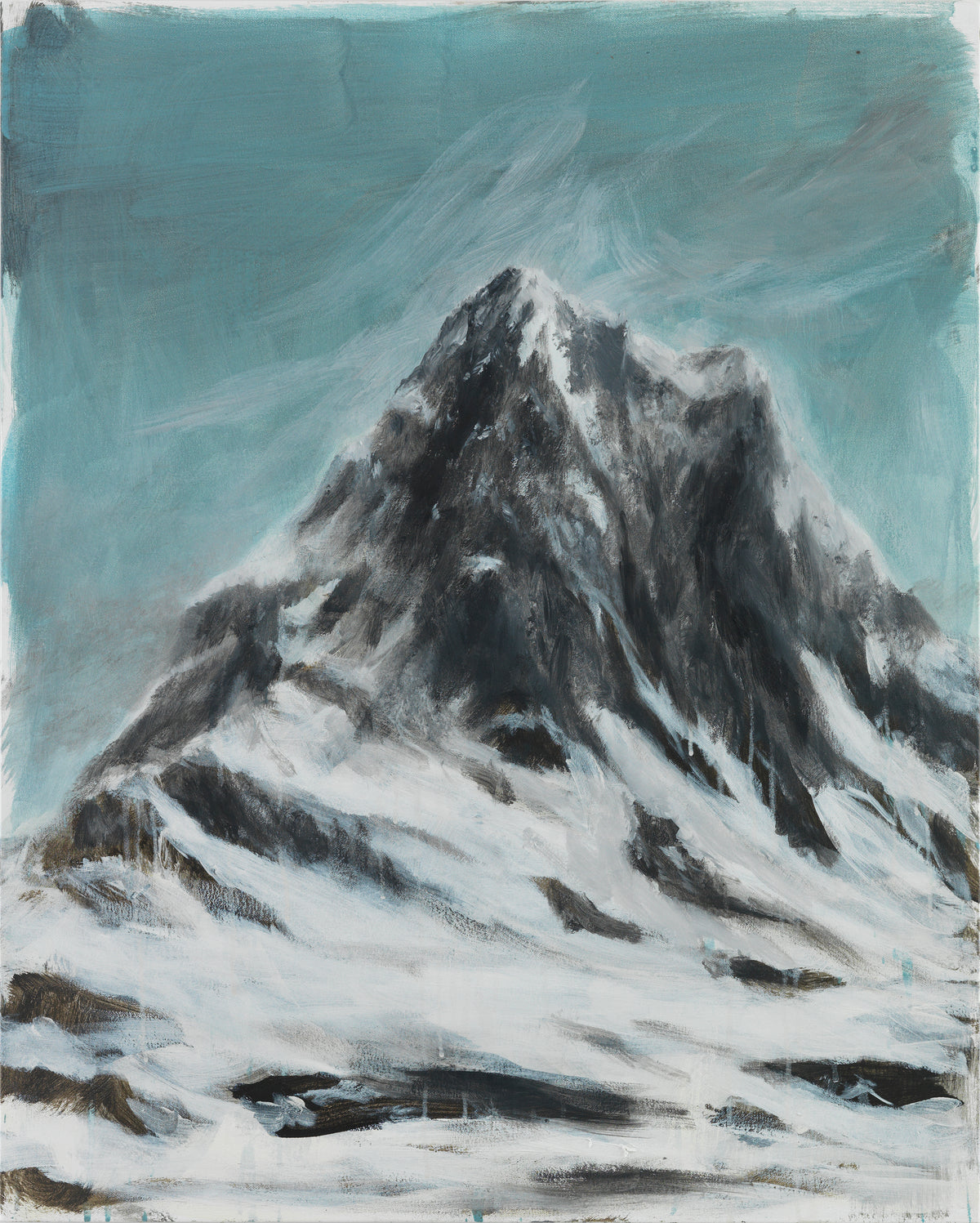
 Counter-Earth by Matthew Day Jackson
In the studio and in the alpine, Matthew Day Jackson explores transformation, where fleeting ski lines and elemental forces shape both art and landscape.
Lines Drawn
Mountains have a way of drawing us in.
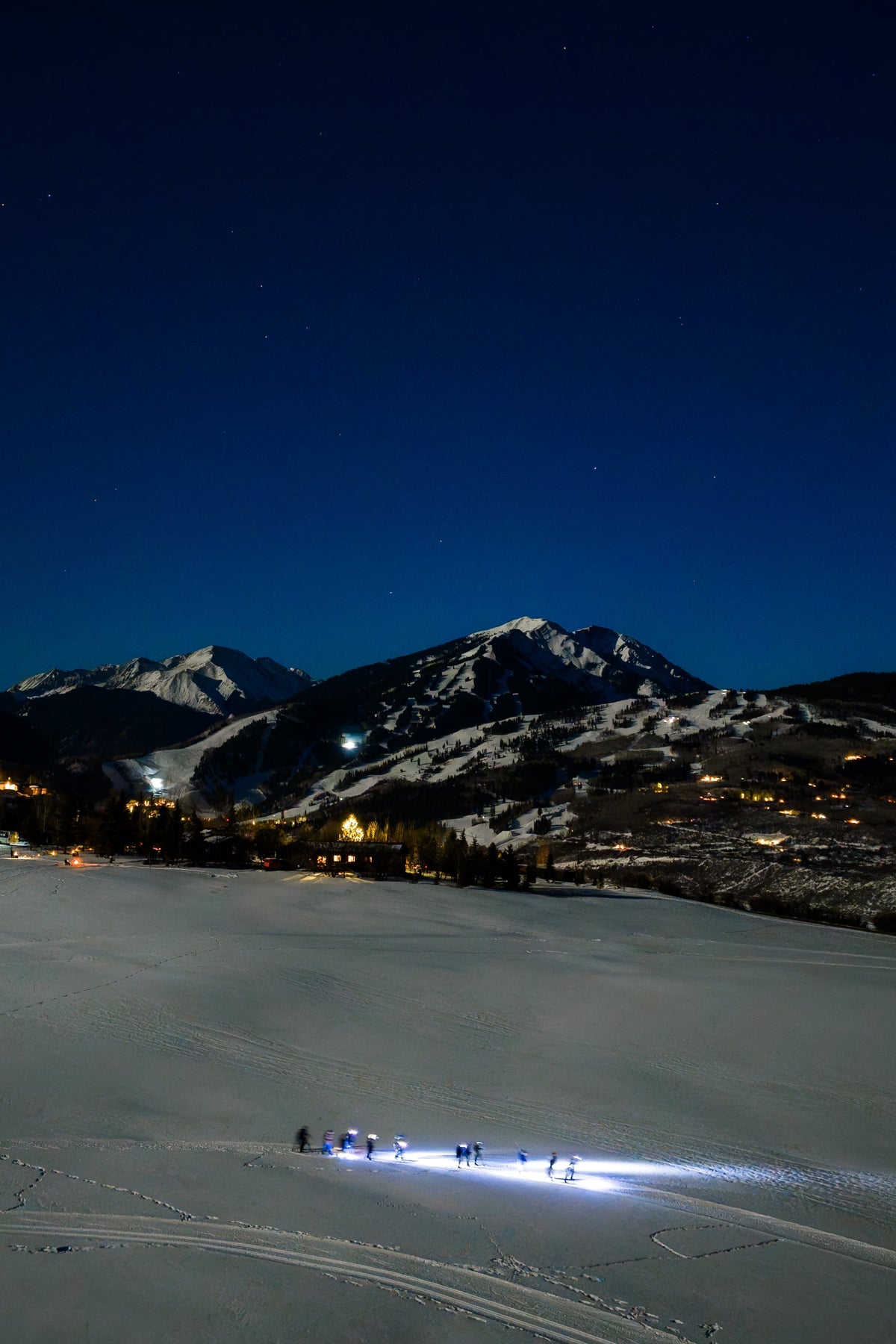
Like a gravitational pull, the rhythm of bluebird mornings, full moon skins and untouched open faces urge us to keep returning. The quiet moments between carves when skis lie flat against corduroy suspend time and allow us to let go of everything else around us. A respite. An exhale.
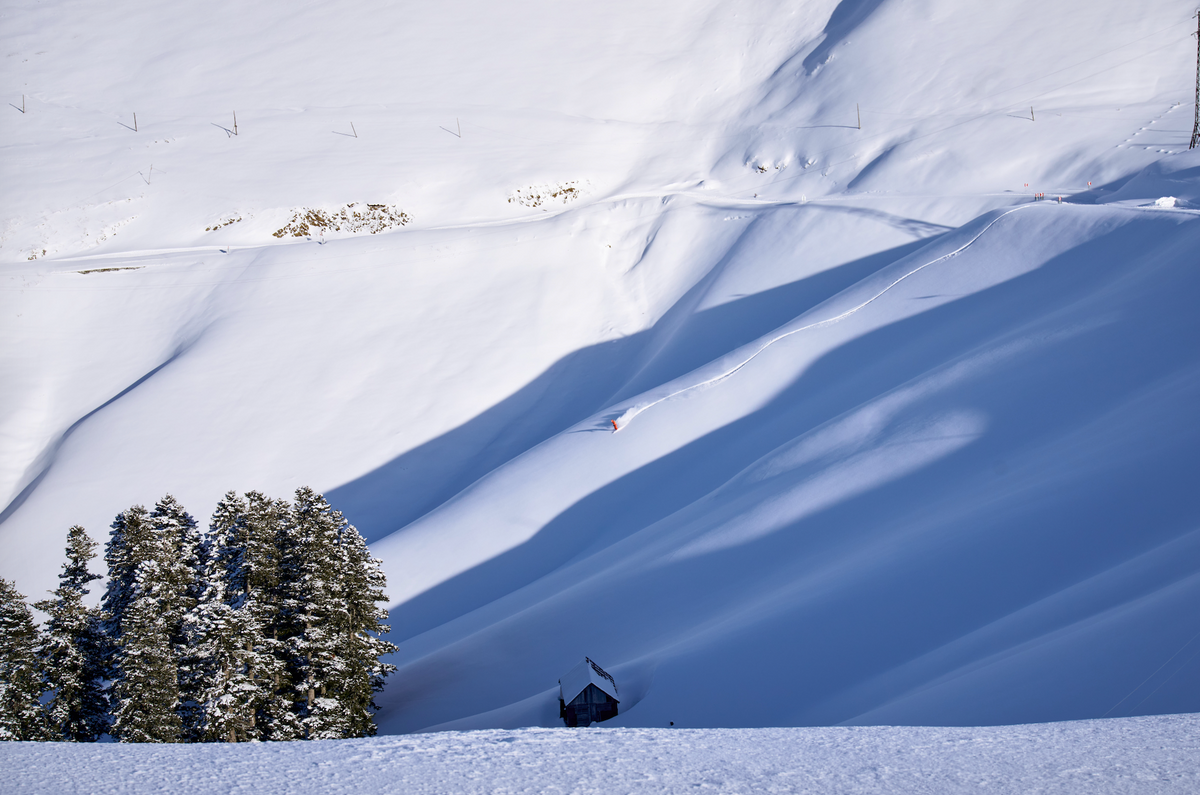
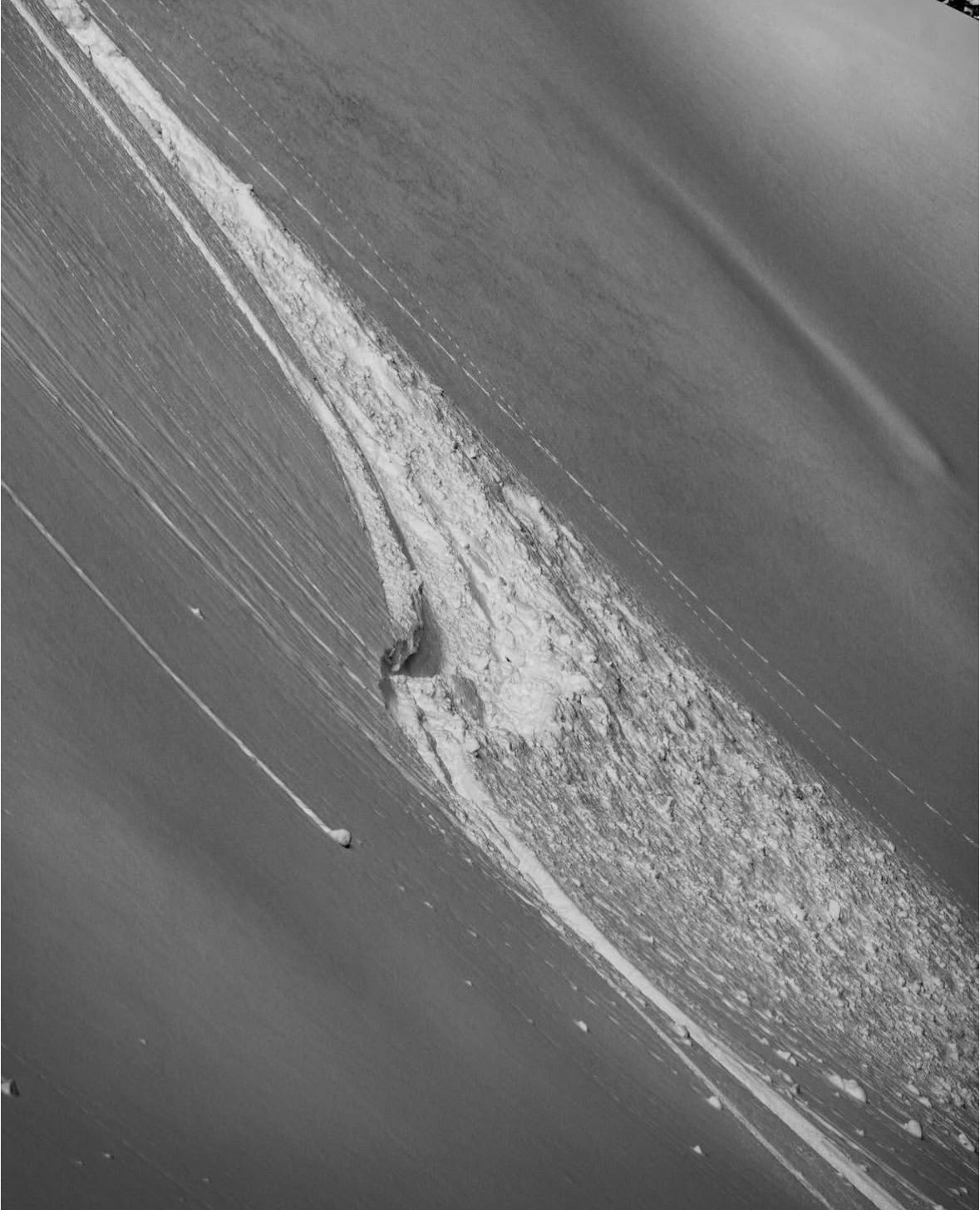
Skiing sits somewhere between presence and reflection. The lines drawn on white backdrops during a descent are fleeting, but they leave behind a lasting impression on us; a feeling that keeps us coming back for more, long after our tracks in the snow disappear.
It’s the balancing act between joy, effort and the natural world that makes skiing such a powerful inspiration for Matthew Day Jackson. It’s also what makes the mountains such a fitting setting to create art.
Skiing, like art, is a way to leave a mark—on oneself, a canvas and the mountain.
“In those brief descents, joy becomes measurable—outpacing effort, transcending fear," says Matthew Day Jackson.

The Elements
Long before the first wooden skis were strapped to leather boots, the mountains were shaped by forces still at work below us today.
Rocky ridge lines dot the sky, snow piles up just to melt again, and sunlight warms and cools rock that has been forming for centuries. Time and pressure carve landscapes to form peaks and valleys.
The beauty we see in a mountain range is a mere snapshot of the incessant cycle of building up and breaking down.
Matthew Day Jackson’s art draws from the same language of transformation. His use of wood, molten lead and metals in his art often reflect the processes that they have endured. In both the studio and the natural world, materials show evidence of their transformation.
These elemental transformations are creative catalysts. Just as a slope is carved up after a snowstorm, matter reshapes into new forms.
Change isn’t a byproduct; it is the art itself.
Skiing leaves a unique kind of mark on the mountain and the skier.
A line imposed on untouched snow lasts only a short time before being filled in again or melted. It lives only hours before being wiped away clean. It’s just as fleeting as the thrill of the descent—as soon as we reach the bottom that feeling gets away from us and we must return to the summit and take the ride again.
“It is a dance without spectators,” says Matthew Day Jackson, “vanishing behind us with each turn, leaving only a faint mark in the snow as a testament to presence, to intention, to being.”
In the studio, Matthew chases those same feelings creating his art. Surfaces are burned, melted and carved or reshaped, leaving behind traces of their own experiences for onlookers to draw on. A burn line across wood, a surface warped with heat or a divot etched into metal.
They are records rather than imperfections. Each blemish is a record of an experience. It’s a mark that says: I was here.

An Artful Approach
Mountains have inspired people for centuries. Luring them up their passes to explore the unknown, enchanting them with their beauty for paintings and sculptures and inspiring them to push their limits and go higher. They provide the space and artistry for creation and reflection.
Whether it’s hunting down the perfect ski line or constructing original art in the studio, the act is the same: a way of interpreting the world around us.
For Matthew, skiing and art are just two ways to express that same need.
“In the end, this dance is not about conquest or performance, but about affirmation: a wordless declaration that we are alive, attuned and in communion with something far greater than ourselves,” says Matthew Day Jackson.
All it takes is a few turns of your own to feel it, and keep coming back for more.