
The Silver Queen
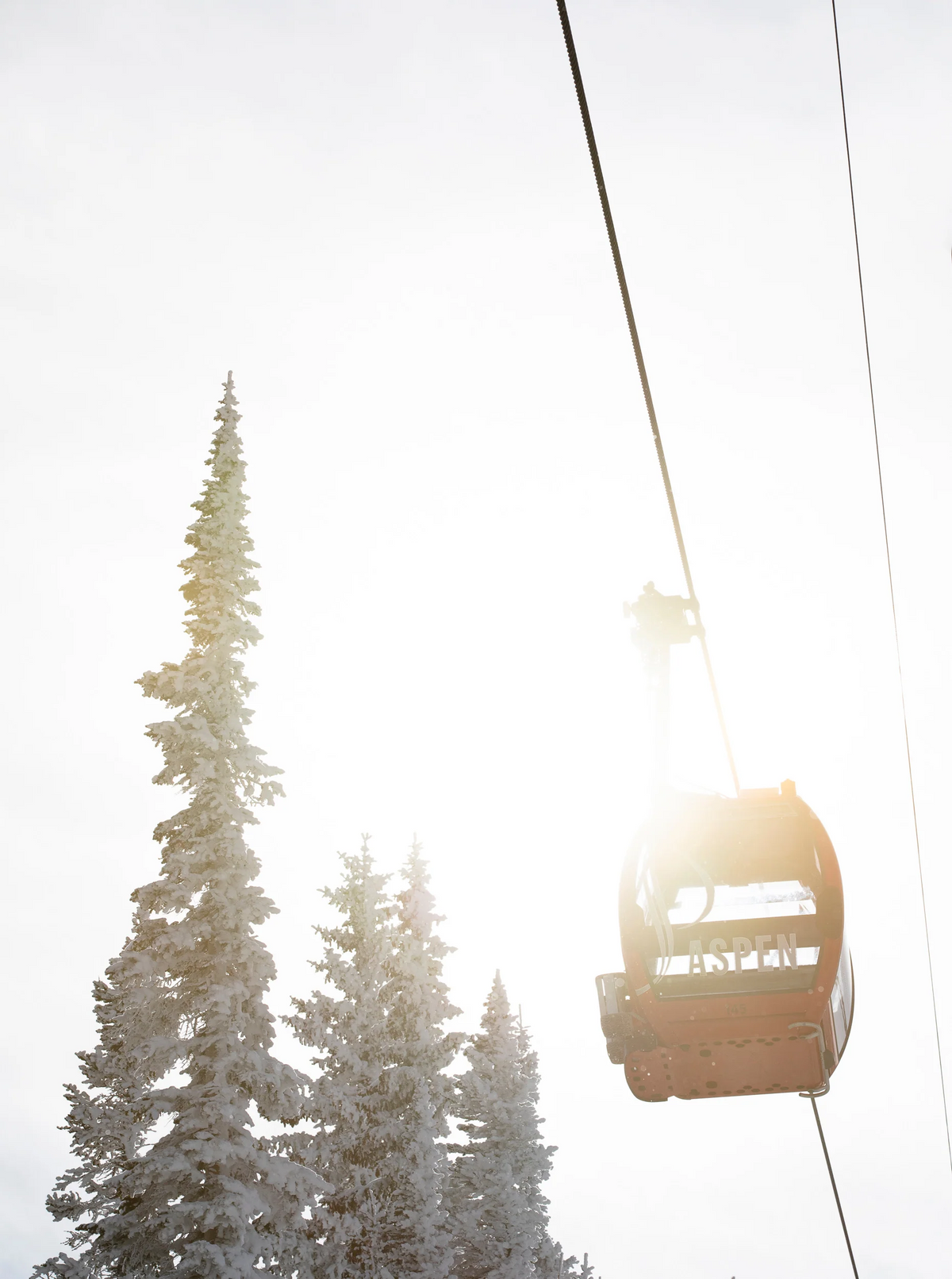
Every day during both summer and winter, thousands of skiers, hikers, and sightseers step into a cabin at Gondola Plaza and float silently toward the summit of Aspen Mountain. Most know it simply as the gondola, the bucket, the gondi, the gondo, but it’s formal name is The Silver Queen Gondola. The root of this name lies deep in Aspen's mining history, long before the first ski lift carried a skier up Ajax and decades before Aspen became a world-famous ski destination.

Aspen's Original Queen
At its peak in the 1890s, Aspen was the most productive silver mining district in the United States, producing enormous wealth from the veins that ran beneath the surrounding mountains. The town's prosperity earned it the nickname "The Silver Queen City," a title that would become one of Aspen's most enduring symbols. According to local historians, the original "Silver Queen" wasn't a mine, a lift, or a gondola. It was a natural rock formation visible on Aspen Mountain. Viewed from the right angle, the profile of a reclining woman appears across what is now known as Shadow Mountain. Aspen residents in the mining era saw the silhouette as a queen lying across the mountainside, giving rise to the Silver Queen nickname that would become synonymous with the town itself. Over time, the name spread everywhere.There was a Silver Queen statue displayed during Aspen's mining boom. There was the Silver Queen ski run on Aspen Mountain. Eventually, when Aspen built its most ambitious lift project, the name naturally followed.

Photo: Jesse Hoffman
Before the Gondola
Long before gondola cabins glided over Bell Mountain, another "bucket" crossed Aspen
Mountain. In the early 1890s, the Aspen Public Tramway hauled silver ore from the mines high on Aspen Mountain down toward town. Remarkably, portions of its route closely mirrored the alignment of today's gondola. While the tram's primary purpose was moving ore, adventurous passengers occasionally rode the open buckets as well. When Aspen Mountain opened for skiing in 1946, reaching the summit required multiple chairlift rides. For decades, Lift 1 and Lift 2 served as the primary route from town to the top of Ajax. In 1986 The Silver Queen Gondola opened, connecting downtown Aspen directly to the summit. At the time, it was one of the most ambitious lift projects in North America. The gondola reduced the trip from town to the top from roughly 30 to 45 minutes on multiple lifts to about 14 minutes in a single ride.
Today, the Silver Queen Gondola is one of the most recognizable landmarks in Colorado skiing. Yet its name serves as a reminder that Aspen's story didn't begin with ski lifts. Every ride passes over old mine workings that helped build one of the most prosperous silver camps in the American West. The gondola's name connects modern-day Aspen to the mining town that came before it, and to the mountain silhouette that inspired the legend in the first place.