
The Ultimate Aspen Summer Adventure

The Elks Traverse
If there is a single summer adventure that captures the spirit of Aspen's mountains, it isn't a ski race, a marathon, or a summit climb. It's the Elks Traverse.
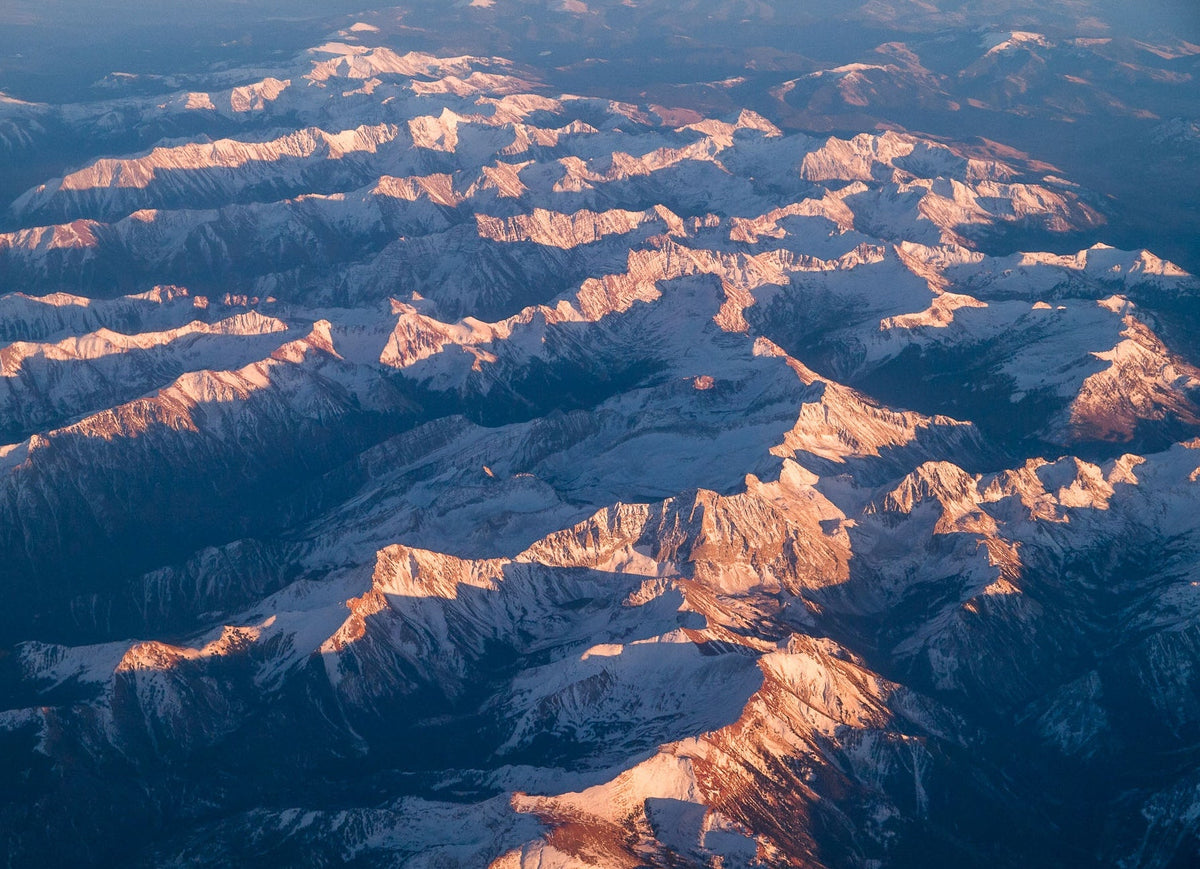
A rugged linkup of all seven 14,000-foot peaks in the Elk Mountains, the traverse is equal parts trail run, mountaineering objective, route-finding puzzle, and test of endurance. It winds through some of the most complex and beautiful terrain in Colorado, connecting Capitol Peak, Snowmass Mountain, Maroon Peak, North Maroon Peak, Pyramid Peak, Conundrum Peak, and Castle Peak in a single push.
The numbers alone are intimidating: roughly 45 miles, nearly 23,000 feet of climbing, and countless miles of loose talus, exposed ridgelines, scrambling, and technical mountain terrain. But the statistics don't tell the whole story.
The Elks Traverse has become Aspen's ultimate mountain challenge because it demands something deeper than fitness. It requires local knowledge, comfort in exposed terrain, efficient movement through consequential mountains, and a willingness to keep going long after most people would turn around.
In September 2023, Aspen native and three-time Olympian Simi Hamilton redefined what was possible on the route. Starting before dawn at the Capitol Ditch Trailhead, Hamilton completed the traverse in 16 hours, 46 minutes, and 49 seconds, lowering the previous fastest known time by more than five hours. The performance stunned even those most familiar with the challenge. Reflecting on Hamilton's effort, former Elks Traverse record holder and Aspen local Rickey Gates told Trail Runner, "I never thought the time would drop that low. Truly an Olympic-level performance by one of Aspen's most amazing athletes."

A Truly Wild Adventure
To call the Elks Traverse a run is to miss the point. The route moves through wilderness from Capitol Peak to Castle Peak, linking all seven Elk Range fourteeners across terrain that ranges from established trails to highly exposed scrambling and climbing. The route is through wilderness, so you have to be on foot the whole time, and it commonly starts with Capitol Peak and ending with Castle Peak. About half of the route is on well-established hiking trails, and the rest is on third, fourth, and fifth class terrain, much of which is very exposed and considered fairly technical and dangerous. That combination of endurance and technical movement is part of why Hamilton was so efficient. Speaking with FasterSkier, he said, "I'm very comfortable on technical terrain, especially where there's exposure and risk, so I was lucky to move well through the many miles of that found on the route." He added, "I think that was my biggest asset because I was able to kind of turn my brain off for that. I ate well and stayed pretty hydrated, and I had probably the nicest day of the summer for it, so that was huge."

A Record Built on Local Knowledge
The Elks Traverse isn't a race with aid stations, spectators, or finish-line banners. It's a challenge that has evolved through decades of shared mountain knowledge among Roaring Fork Valley athletes. Every generation has contributed something—discovering a cleaner line, a more efficient connection, or a better understanding of how to move through the range.
Hamilton was quick to acknowledge that history, telling Faster Skier, "There have been quite a few people who have done it, but until recently it hadn't been done in under 24 hours. Some incredible athletes from the Roaring Fork Valley did it before me and I give them full credit for figuring out the best route. I just kind of took what they had learned and applied it to my own effort, so really they did all the hard work."
The Elk Traverse showcases everything that makes the Elk Mountains special: the knife-edge exposure of Capitol Peak, the rugged isolation of Snowmass Mountain, the infamous terrain surrounding the Maroon Bells, the steep flanks of Pyramid Peak, and the long final push toward Castle Peak. It's not a race against other competitors. It's a challenge posed by the mountains themselves. While Hamilton's record now stands as the benchmark, the significance of the Elks Traverse has never been about the clock. It's about what the route represents: a uniquely Aspen blend of endurance, mountain sense, technical skill, and adventure.